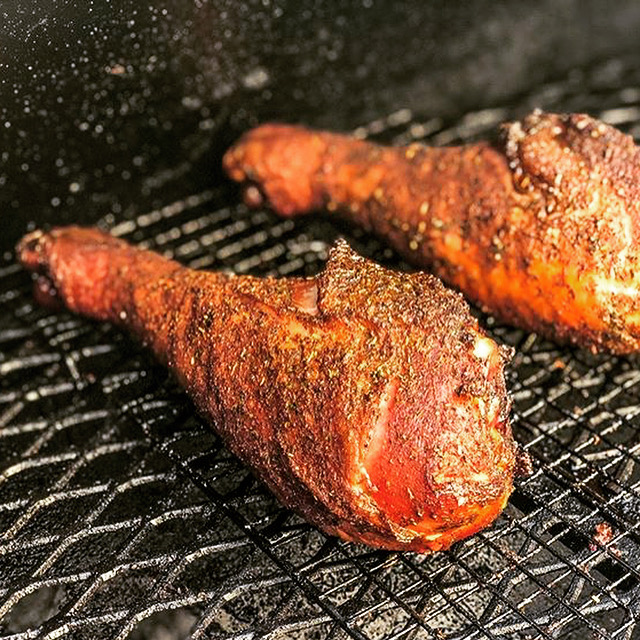
Recreate Fair-Style Smoked Turkey Legs at Home on Your Grill
Few culinary delights evoke the joy and nostalgia quite like a colossal, smoky, and unbelievably juicy turkey leg. These handheld feasts, often synonymous with bustling fairs, lively theme parks, and Renaissance festivals, possess an irresistible charm. While you might associate their unique flavor with specialized equipment, the secret to perfectly cooked, succulent
smoked turkey legs with irresistibly crispy skin is surprisingly within reach – right on your backyard grill. Forget long lines and premium prices; with the right techniques, you can master this crowd-pleasing dish, impressing family and friends with an authentic fair experience.
This comprehensive guide will walk you through every step, transforming ordinary turkey drumsticks into extraordinary culinary creations. From the essential brining process and crafting the perfect rub to managing your grill's temperature and achieving that ideal smoky char, we'll ensure your homemade
smoked turkey legs are nothing short of finger-licking perfection every single time.
Why Your Grill is the Ultimate Smoker for Turkey Legs
While dedicated smokers have their place, your charcoal or gas grill offers distinct advantages when it comes to preparing mouthwatering
smoked turkey legs. It's not just a simpler setup; it's a method that often yields superior results for this particular cut.
*
Faster Cook Times & Crispier Skin: Grills can reach and maintain higher temperatures than many traditional smokers. This allows for a significantly shorter cooking duration – typically 3-4 hours compared to 5+ hours on a smoker. Crucially, these higher temperatures are key to rendering the turkey skin perfectly crispy and golden-brown, a texture often elusive with lower, slower smoking methods.
*
Intense Smoky Flavor: The direct flames of a charcoal or gas grill, especially when combined with strategically placed wood chips, infuse the turkey legs with a robust smoky essence. As fats and juices drip onto the hot coals or flavorizer bars, they vaporize, creating a flavorful smoke that permeates the meat. This direct interaction often results in a deeper, more pronounced smoky char that many enthusiasts crave.
*
Simplicity and Efficiency: Unlike some smoker setups that require managing water pans, multiple heat zones, or intricate ventilation, smoking turkey legs on a grill is remarkably straightforward. You'll typically set up for indirect heat, which is easy to achieve on any standard backyard grill. This makes it an ideal method for home cooks looking for big flavor without complex equipment.
*
Perfect Portions: Turkey legs are the ideal size for smoking on a backyard grill, easily feeding 2-4 people each. You can prepare several at once without needing an enormous cooking surface.
So, if you thought you needed a specialized smoker, think again! Your grill is perfectly capable of delivering those incredible, juicy, and crispy
smoked turkey legs that transport you straight to the fairgrounds. For a deeper dive into why your grill outperforms traditional smokers for this dish, check out our article on
Grill Smoked Turkey Legs: Faster, Crispier, and Easier Than a Smoker.
Choosing & Preparing Your Jumbo Smoked Turkey Legs
The journey to exceptional
smoked turkey legs begins long before they hit the grill. Proper selection and preparation are non-negotiable for achieving that signature juicy, flavorful outcome.
Choosing Your Legs
Finding large, fair-style turkey legs can sometimes be a quest outside of the holiday season. Head to your local butcher or the meat counter at a specialty grocery store. Don't be shy about asking if they can order larger "tom" (male) turkey legs, which are typically bigger and meatier than those from "hens." Ensure they are fully thawed if you're buying them frozen.
The Brining Advantage: A Must for Juiciness
While some recipes might skip this step, brining is the absolute secret weapon for ultra-juicy, deeply seasoned
smoked turkey legs. The salt in the brine works by dissolving some of the muscle proteins, allowing the meat to absorb more moisture and become more tender. The sugar helps balance the saltiness and aids in browning.
*
Brine Recipe: In a large container or brining bag, dissolve 1/2 cup of kosher salt and 1/2 cup of brown sugar into 1 gallon of water. You can also add aromatics like bay leaves, black peppercorns, garlic cloves, or orange peels for extra flavor infusion.
*
Brining Process: Submerge your thawed turkey legs completely in the brine. Ensure they are fully covered. Refrigerate for 6-12 hours. Avoid brining for much longer, as the meat can become too salty.
*
Post-Brine Prep: Once brined, remove the legs and rinse them thoroughly under cold running water to remove any excess salt. Pat them vigorously dry with paper towels. For the crispiest skin and best smoke adherence, let the legs air dry in the refrigerator for at least an hour, or even overnight, uncovered. This process forms a slightly tacky layer called a "pellicle," which is crucial for capturing smoke flavor and allowing the rub to adhere beautifully.
Crafting the Perfect Rub & Getting Ready to Grill
With your turkey legs brined and air-drying, it's time to layer on incredible flavor with a custom dry rub and prepare your grill for smoking.
The Power of a Flavorful Dry Rub
A good dry rub adds depth, texture, and a beautiful color to your
smoked turkey legs. It works in conjunction with the brine, providing a delightful external seasoning that complements the internal juiciness.
*
Signature Dry Rub Recipe: Combine the following ingredients in a small bowl:
* 2 tablespoons brown sugar (for sweetness and caramelization)
* 1 tablespoon smoked paprika (for color and smoky notes)
* 1 tablespoon chili powder (for mild heat and earthy flavor)
* 1 tablespoon garlic powder
* 1 tablespoon onion powder
* 1 teaspoon dry mustard
* 1 teaspoon black pepper
* 1/2 teaspoon cayenne pepper (adjust to your spice preference)
Mix until thoroughly combined.
*
Application: Generously coat each turkey leg with the dry rub, pressing it gently into the skin to ensure it adheres well. Let the rubbed legs sit at room temperature for about 30 minutes while you prepare your grill. This allows the flavors to meld and the rub to stick.
Setting Up Your Grill for Smoking
Whether you have a charcoal or gas grill, the goal is to create an indirect heat zone and introduce wood smoke.
*
For Charcoal Grills:
1. Arrange your lit charcoal briquettes on one side of the grill, creating a two-zone fire.
2. Place a drip pan on the empty side to catch juices and prevent flare-ups.
3. Add a handful of pre-soaked wood chips (hickory, apple, or cherry work wonderfully for turkey) directly onto the hot coals. Close the lid and allow the grill to come up to temperature.
*
For Gas Grills:
1. Turn on burners on one side of your grill (e.g., the left side), leaving the burners on the other side off. This creates your indirect heat zone.
2. Place a smoker box or a foil packet filled with dry wood chips directly over the lit burners. The foil packet should have a few holes poked in it to allow smoke to escape.
3. Close the lid and allow the grill to preheat to your target temperature.
Your target grill temperature for smoking turkey legs should be around 275-300°F (135-150°C). Use a reliable grill thermometer to monitor this. Maintaining a consistent temperature is crucial for evenly cooked and perfectly smoky results. For more expert advice on achieving this balance, see
Master Smoked Turkey Legs: Grill Secrets for Juicy Meat & Crispy Skin.
Grilling Your Way to Juicy, Crispy Smoked Turkey Legs
With your grill preheated and smoking, it’s time to transform those seasoned legs into the fair-style masterpieces you’ve been dreaming of.
*
Placement: Place the rubbed turkey legs on the grates over the indirect heat zone (the side without direct coals or active gas burners). Ensure there's space between each leg for even air and smoke circulation.
*
Monitoring & Rotation: Close the grill lid to allow the smoke to circulate and the turkey to cook. Resist the urge to constantly peek, but do monitor your grill's temperature. You may need to add more wood chips every 45-60 minutes to maintain consistent smoke. Rotate the turkey legs every hour or so for even cooking and color development.
*
Temperature Control: Aim to maintain a steady grill temperature of 275-300°F. If using charcoal, you might need to add a few new briquettes every hour or so. For gas grills, adjust burner settings as needed.
*
Achieving Doneness: The total cooking time will typically range from 3 to 4 hours, but always cook to temperature, not time. Use a reliable instant-read thermometer inserted into the thickest part of the meat, avoiding the bone. The turkey legs are done when they reach an internal temperature of 170-175°F (77-79°C). The connective tissues in turkey legs break down beautifully at this temperature, resulting in tender, pull-off-the-bone meat.
*
The Crispy Skin Finish: If, at the end of the cook, your turkey leg skin isn't as crispy as you'd like, you can carefully move them over direct heat for 3-5 minutes per side. Watch them closely, as the sugar in the rub can burn quickly. This brief kiss of direct flame will render any remaining fat and crisp up the skin beautifully.
*
Resting Period: Once the turkey legs reach their target internal temperature, remove them from the grill and let them rest, loosely tented with foil, for 10-15 minutes. This crucial step allows the juices to redistribute throughout the meat, ensuring every bite is moist and flavorful.
Conclusion
Recreating those iconic fair-style
smoked turkey legs at home is not just possible; it's a deeply rewarding culinary adventure. By understanding the advantages of your grill, taking the time to brine, crafting a flavorful rub, and mastering the art of indirect heat and temperature control, you can consistently produce succulent, smoky, and irresistibly crispy turkey legs that rival any theme park offering. So fire up that grill, gather your ingredients, and prepare to delight your taste buds with a homemade feast that brings the spirit of the fair right to your backyard. Enjoy the journey and the incredibly delicious results!